Museum Overview
About the Museum
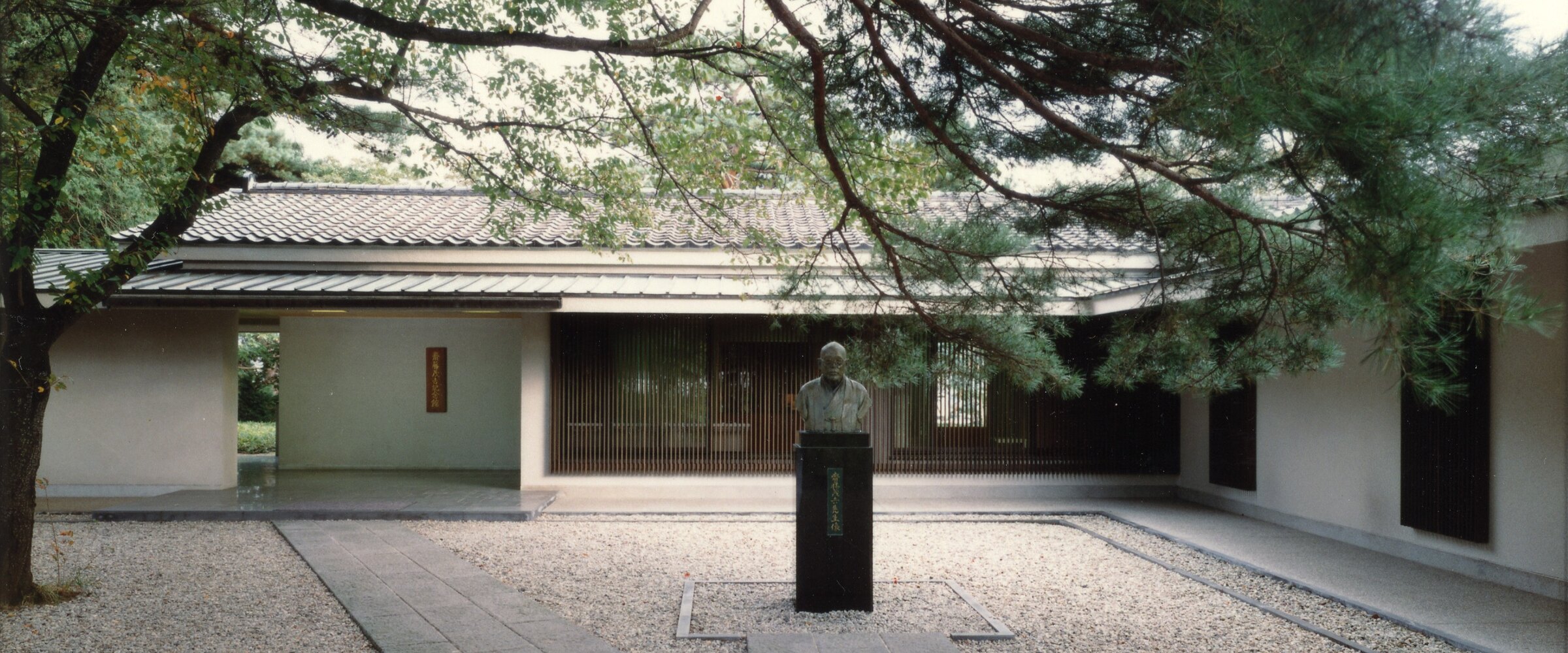
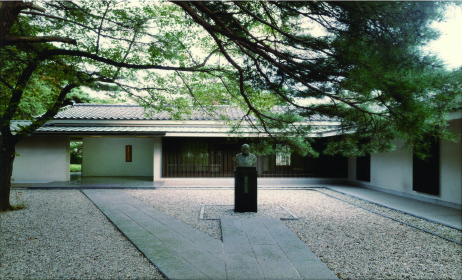
The museum opened in September 1968 on a hill south of Kanakame, Kaminoyama City, Yamagata Prefecture, the birthplace of SAITO Mokichi.
Expanded and renovated in 1989, and renovated again in 2003 and 2018, the museum stands in a scenic location overlooking the Zao mountain range to the east. The area is known as Miyuki Park because Emperor Meiji rested here during his tour of the Tohoku region.
The museum houses and exhibits materials that convey the achievements and life of SAITO Mokichi, a tanka poet and psychiatrist who holds an important position in the history of modern tanka poetry.
Life and Work
A Chronology of SAITO Mokichi
Meiji 15 (1882)
Born on May 14 as the third son of the MORIYA family in Kanakame Village, Minamimurayama County, Yamagata Prefecture (present-day Kanakame, Kaminoyama City).
Meiji 29 (1896) Age 14
Moved to Tokyo in August, lived as a dependent with SAITO Kiichi, and was admitted as a transfer student into the fifth grade at Kaisei Junior High School.
Meiji 35 (1902) Age 20
Entered the third division of the First Higher School.
Meiji 38 (1905) Age 23
After reading MASAOKA Shiki's Take no Sato Uta (Poems of the Bamboo Village), he aspired to compose tanka.
Meiji 39 (1906) Age 24
Visited the home of ITO Sachio, a disciple of Shiki, for the first time. His tanka was published in the tanka journal Ashibi.
Meiji 41 (1908) Age 26
The tanka journal Araragi was launched, and 23 tanka poems by Mokichi were published.
Meiji 43 (1910) Age 28
Graduated from Tokyo Imperial University School of Medicine.
Taisho Period
Taisho 2 (1913) Age 31
Published his first collection of tanka, Shakkou (Red Light).
Taisho 3 (1914) Age 32
Married Teruko, the second daughter of SAITO Kiichi.
Taisho 6 (1917) Age 35
Appointed professor at Nagasaki Medical College and transferred to Nagasaki.
Taisho 10 (1921) Age 39
Published the tanka collection Aratama and studied psychiatry abroad in Austria and Germany.
Taisho 14 (1925) Age 43
Returned to Japan and worked to rebuild Aoyama Brain Hospital, which had burned down at the end of the previous year.
Taisho 15 (1926) Age 44
Became editor and publisher of Araragi.
Showa Period
Showa 2 (1927) Age 45
Took over as director of Aoyama Brain Hospital.
Showa 9 (1934) Age 52
Published Kakinomoto no Hitomaro.
Showa 15 (1940) Age 58
Received the Imperial Academy Prize for his work on Kakinomoto no Hitomaro.
Showa 20 (1945) Age 63
Evacuated to his hometown, Kanakame.
Showa 21 (1946) Age 64
Moved to Oishida Town, Yamagata Prefecture.
Showa 22 (1947) Age 65
Moved to Daita, Setagaya Ward, Tokyo.
Showa 25 (1950) Age 68
Moved to a new home in Daikyocho, Shinjuku Ward.
Showa 26 (1951) Age 69
Received the Order of Culture.
Showa 27 (1952) Age 70
The Complete Works of SAITO Mokichi in 56 volumes was published by Iwanami Shoten.
Showa 28 (1953)
He passed away on February 25th at the age of 70 years and 9 months. His posthumous Buddhist name, Shakkoin Jinyo Yua Gyojaku Sei Koji, was chosen by himself during his lifetime.
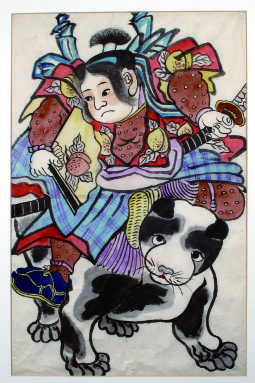
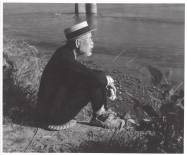
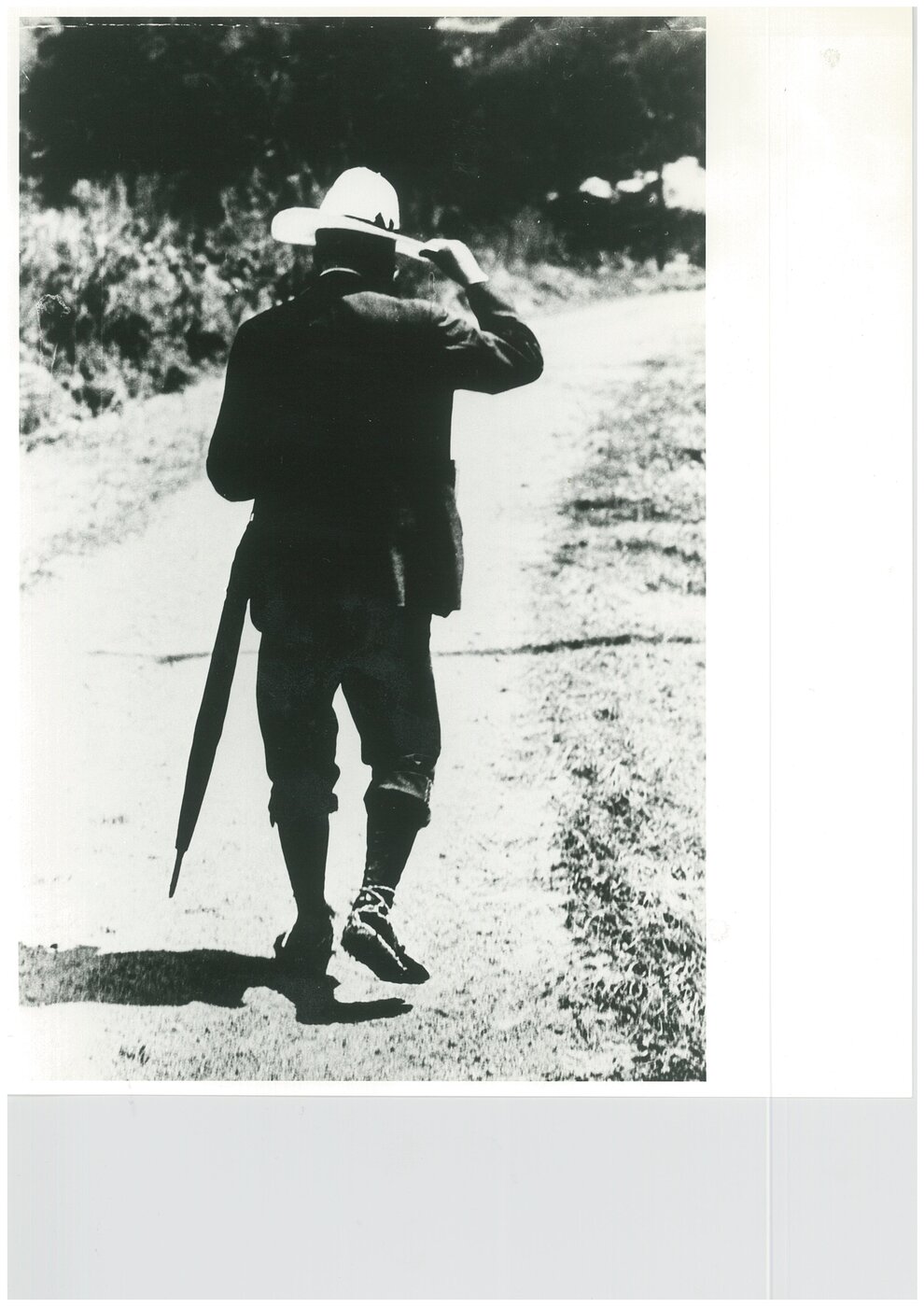
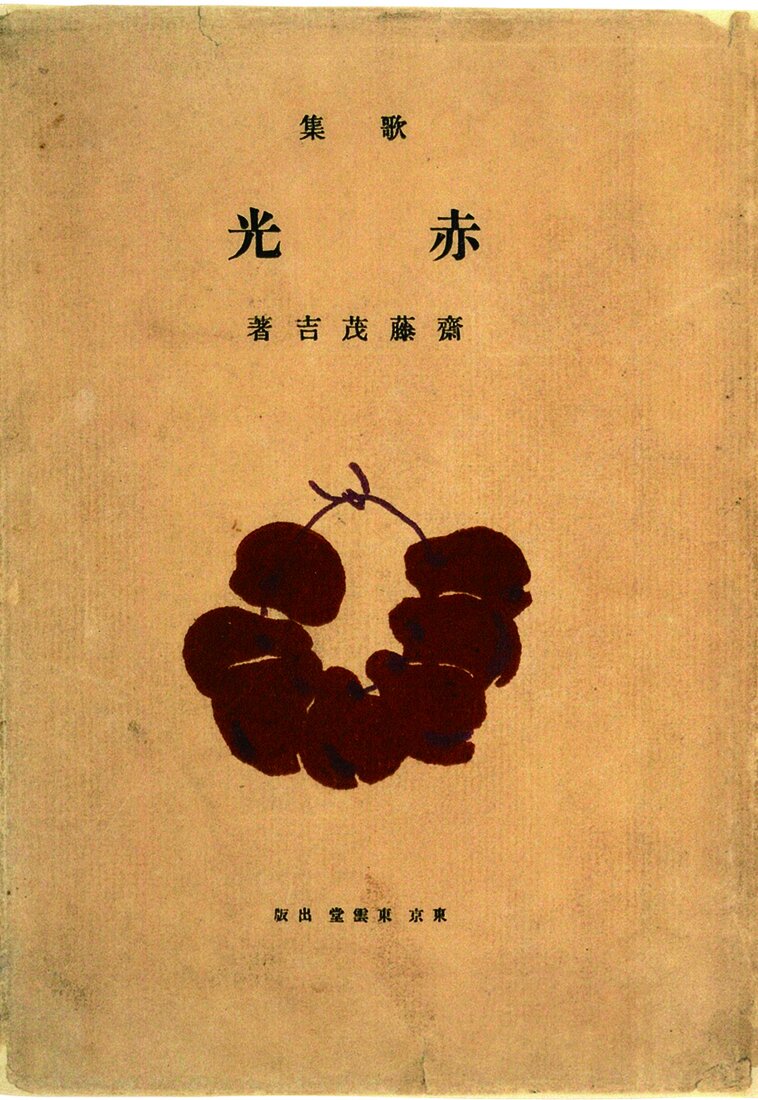
Explore the Museum
Floor Guide
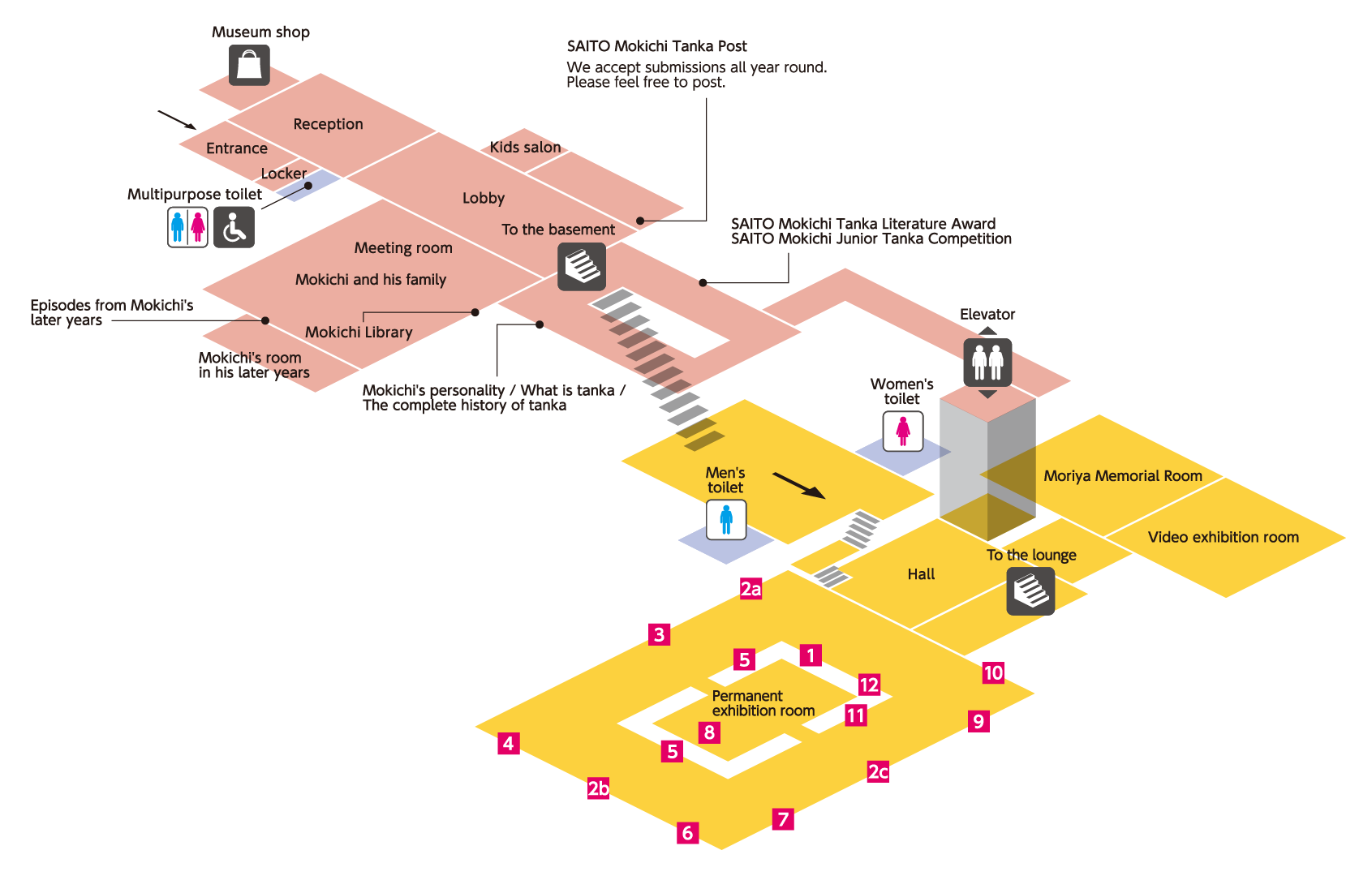
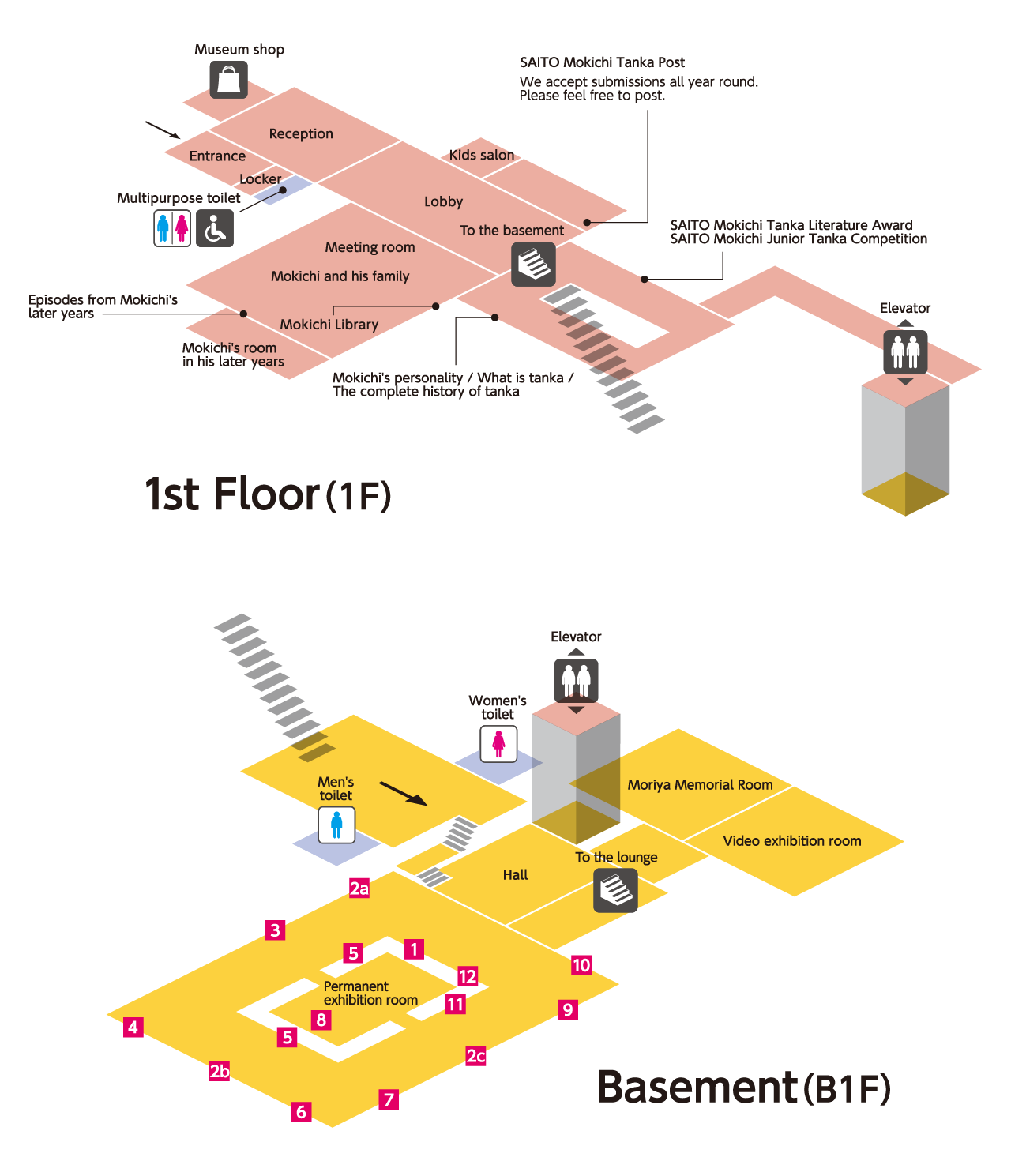
Repeated numbers indicate different locations within the same exhibition.
Map Index
Facilities
Entrance
Start your visit here. The reception counter, lockers, museum shop, and accessible restroom are located nearby.
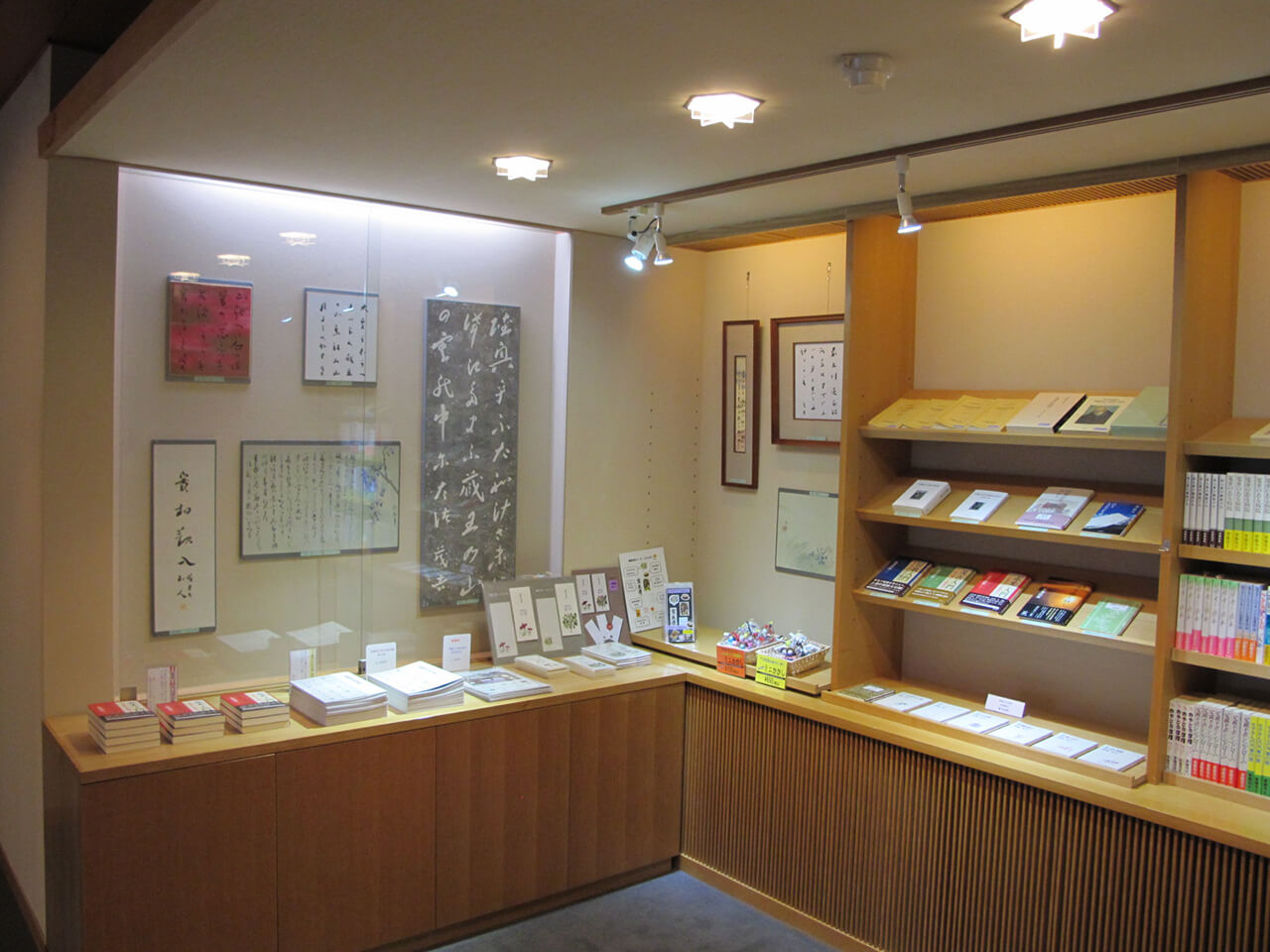
Museum Shop
The shop sells museum-original postcards, publications issued by the museum, and books including collections of Mokichi's tanka.
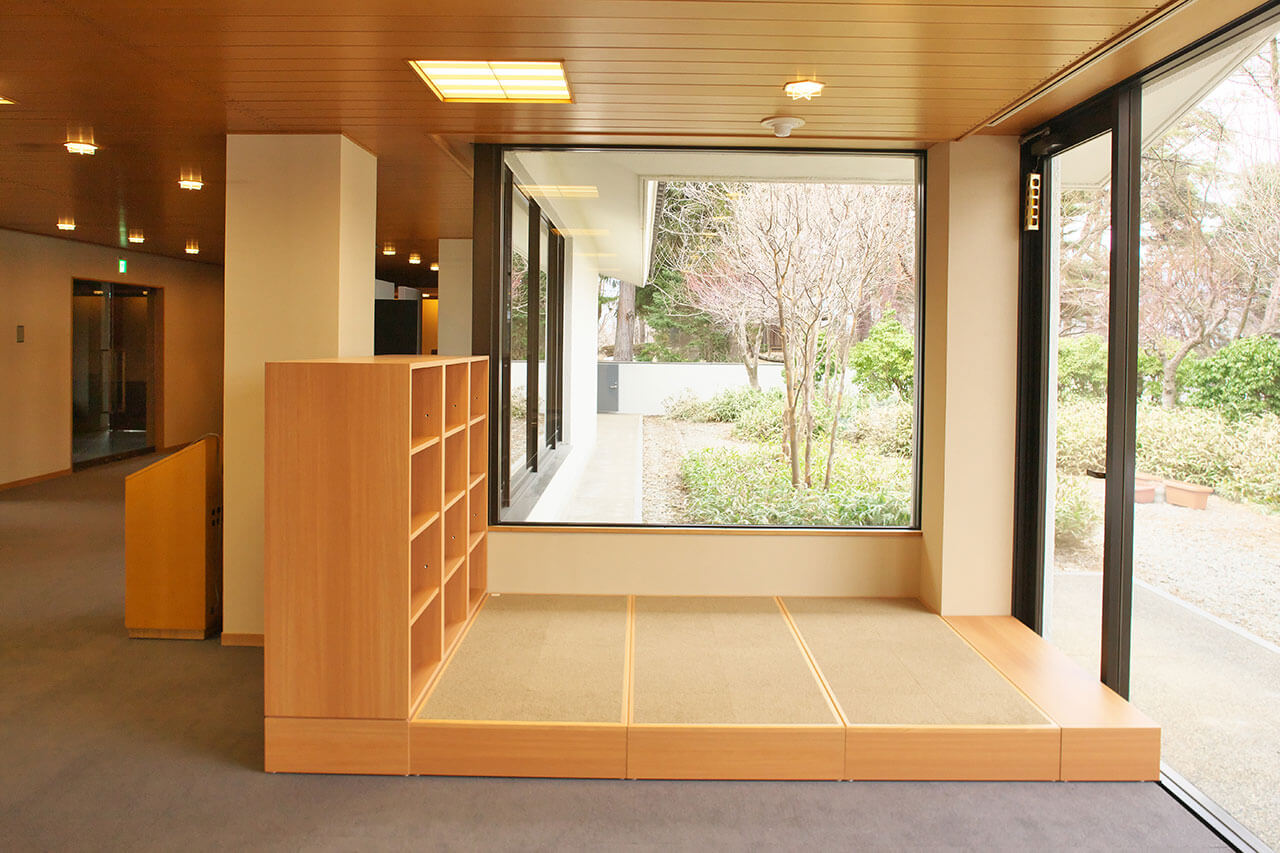
Kids Salon
Children can enjoy tanka picture books, the museum's Mokichi tanka karuta cards, and original jigsaw puzzles using Mokichi's photos and drawings.
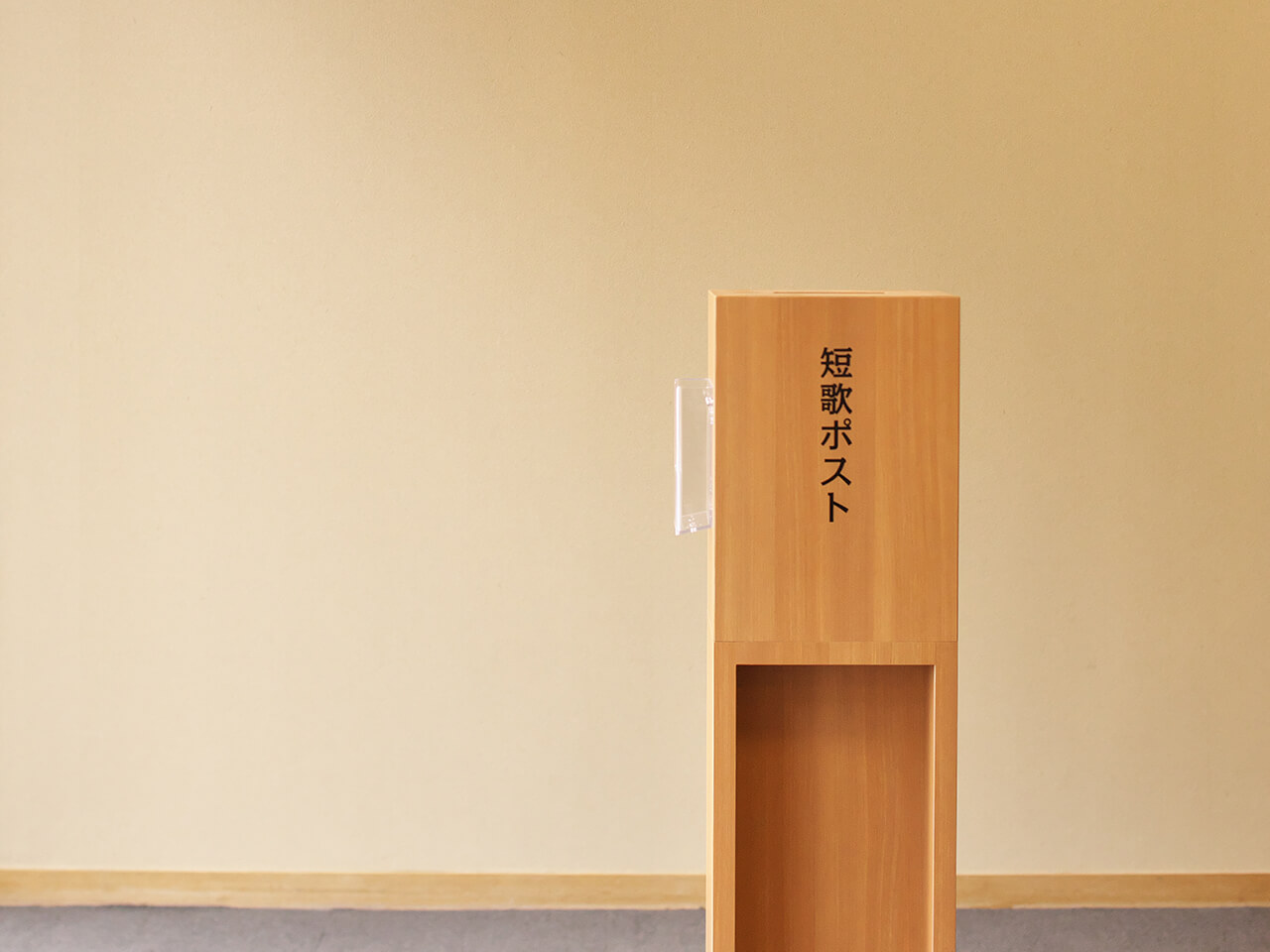
SAITO Mokichi Tanka Post
Original tanka submissions are accepted all year round. Please feel free to post your own poem during your visit.
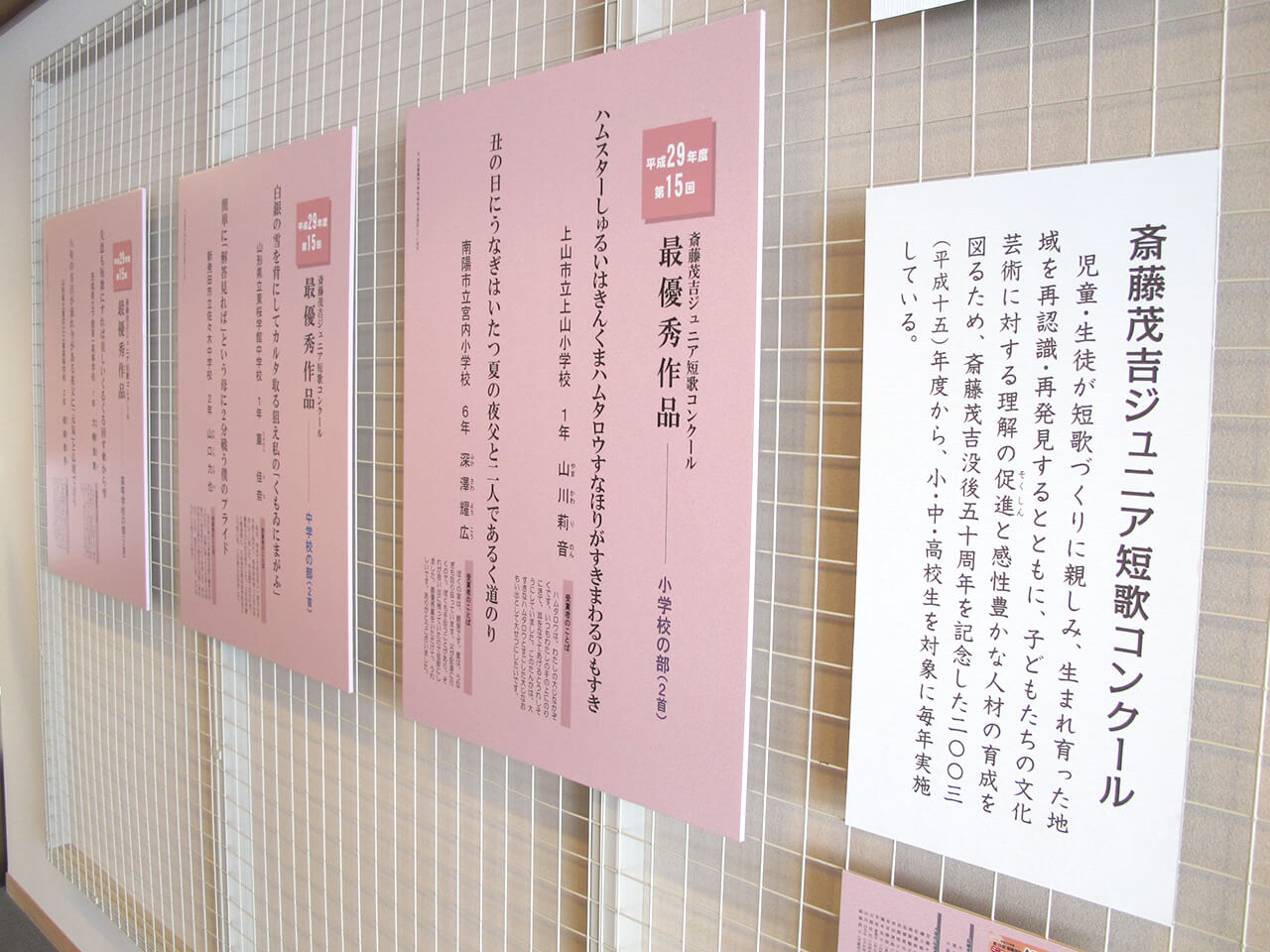
SAITO Mokichi Tanka Literature Award / Junior Tanka Competition
This area introduces award-related displays and the Junior Tanka Competition, including winning works and the progress of the project.
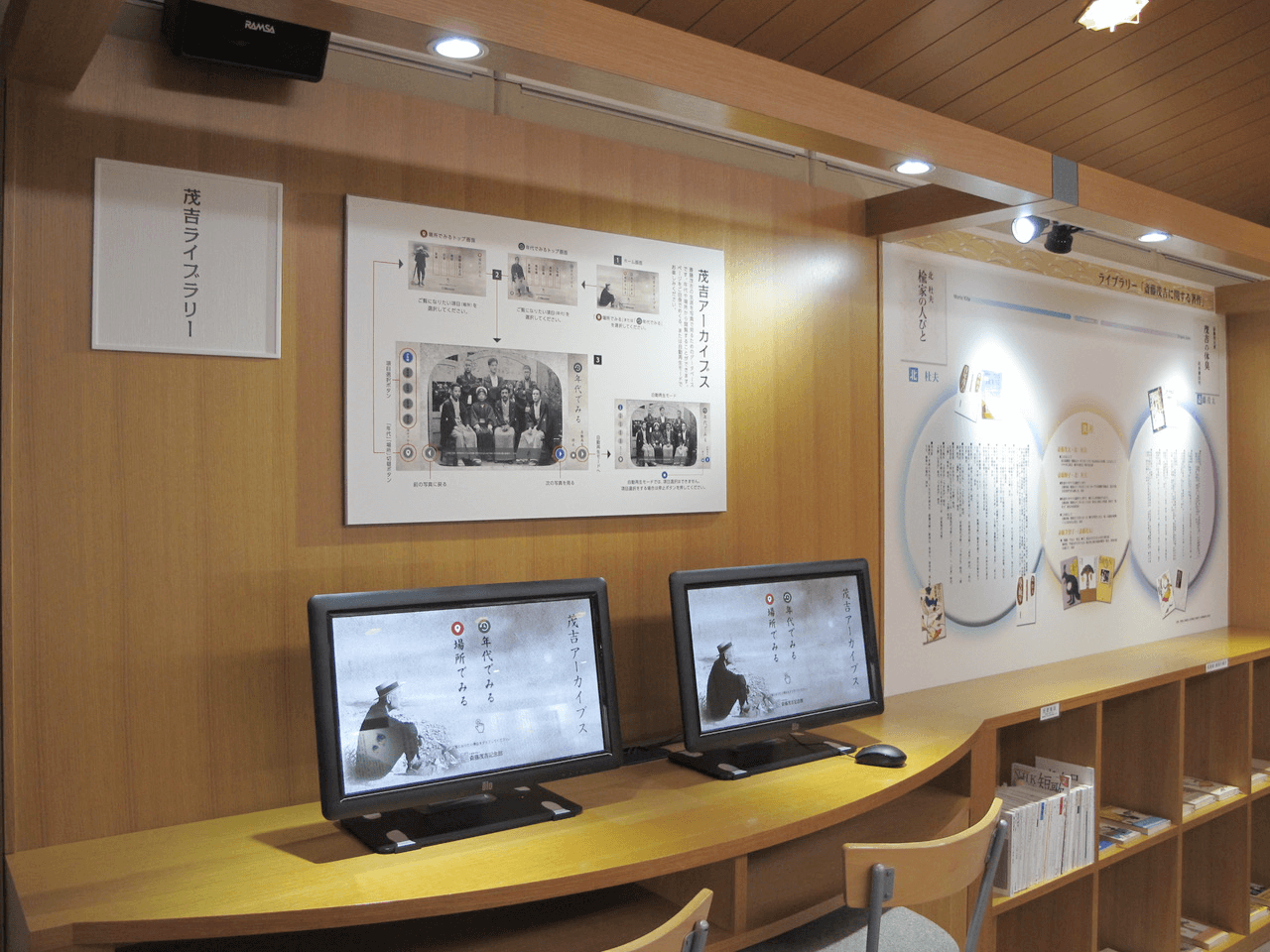
Mokichi Library
Touch-panel exhibits introduce Mokichi, and visitors can browse tanka magazines and works by members of the Saito family.
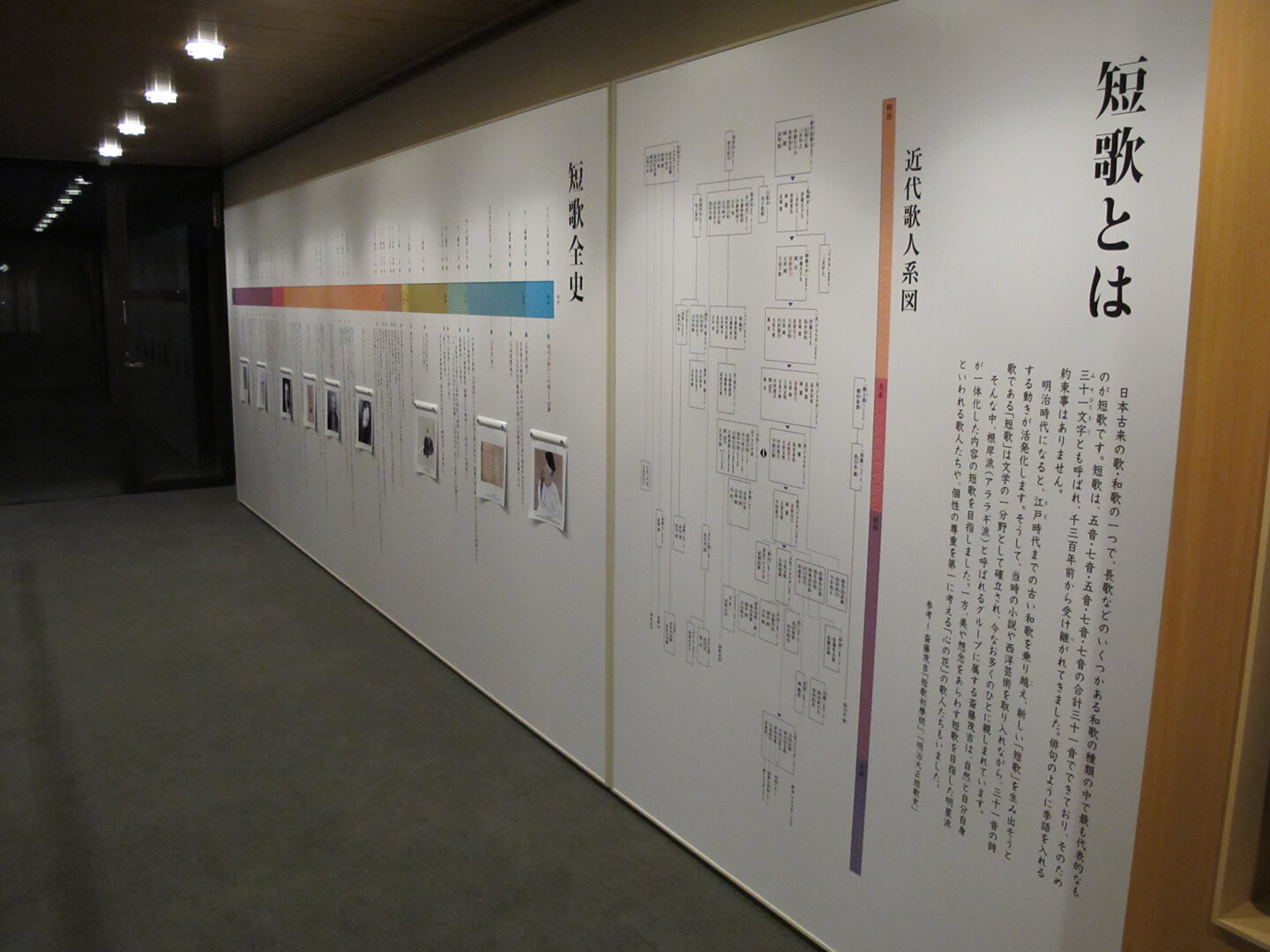
Mokichi's Personality / What Is Tanka? / The Complete History of Tanka
This section introduces the history of tanka, the relationships among modern poets, and background for understanding Mokichi's work.
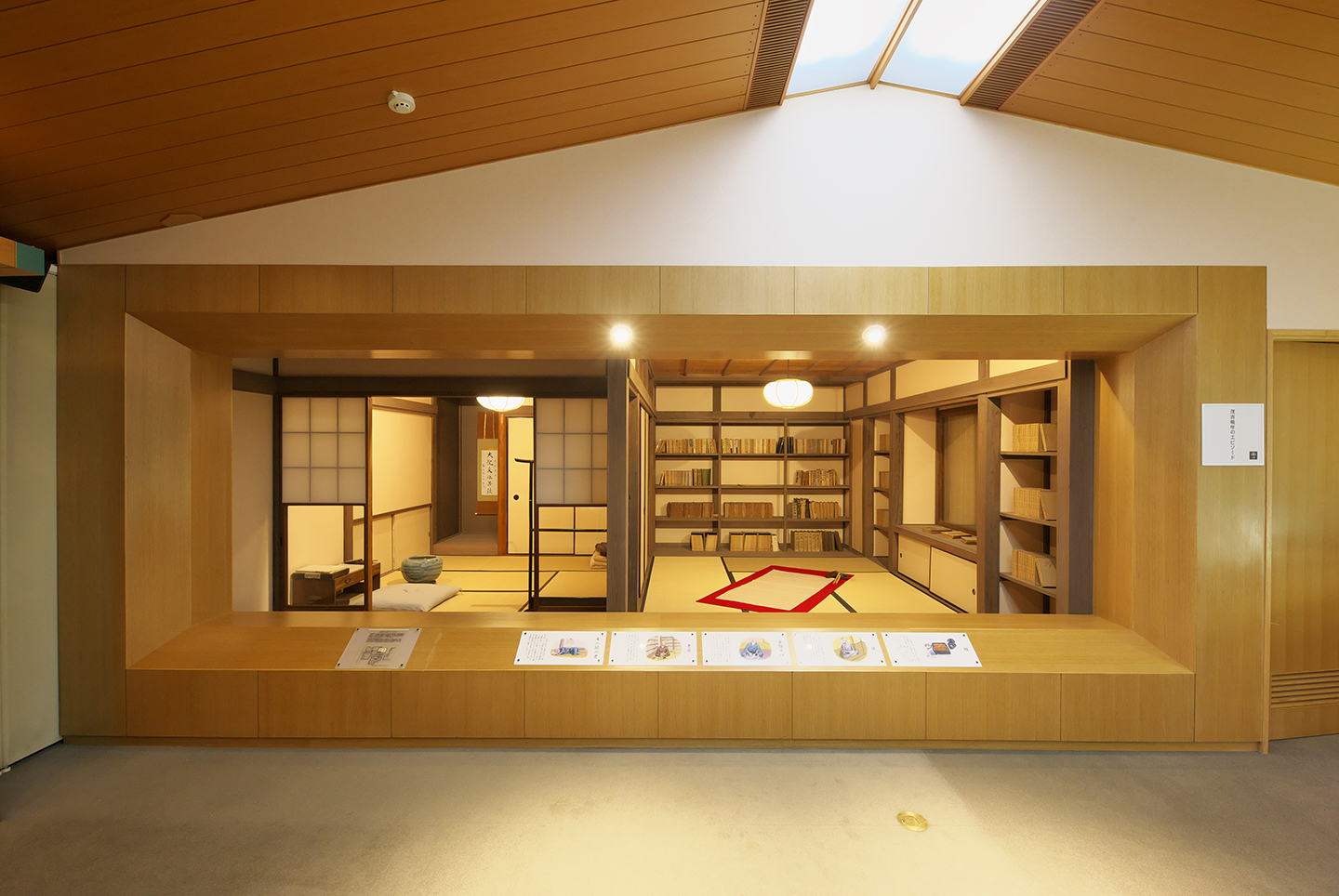
Mokichi's Room in His Later Years
A reconstruction of the room where Mokichi spent his later years is displayed, giving visitors a sense of his daily life.
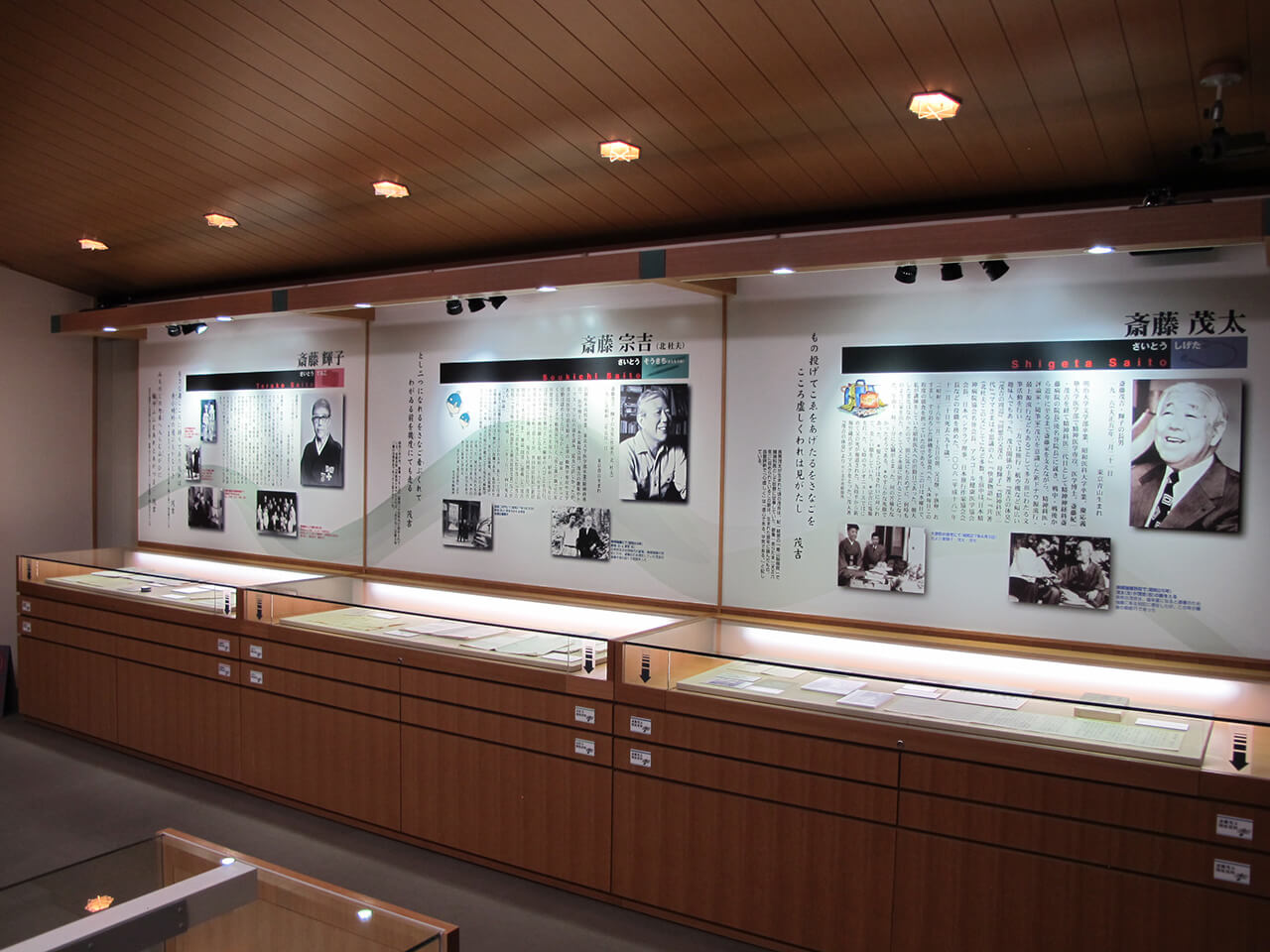
Mokichi and His Family
Learn about the lives and portraits of Mokichi's family members, including the people who supported and surrounded him.
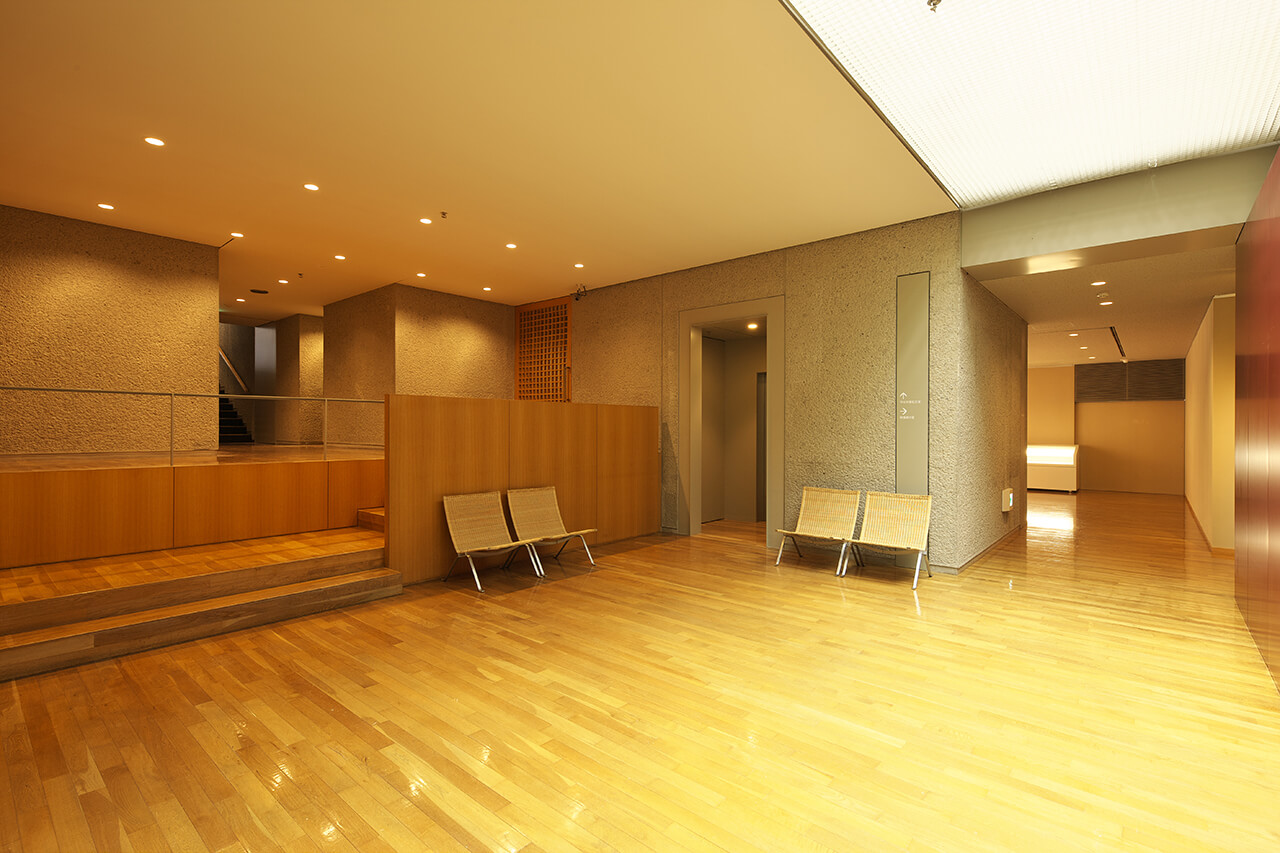
Hall / Elevator Area
The basement hall connects the elevator, restrooms, permanent exhibition room, Moriya Memorial Room, video exhibition room, and lounge route.
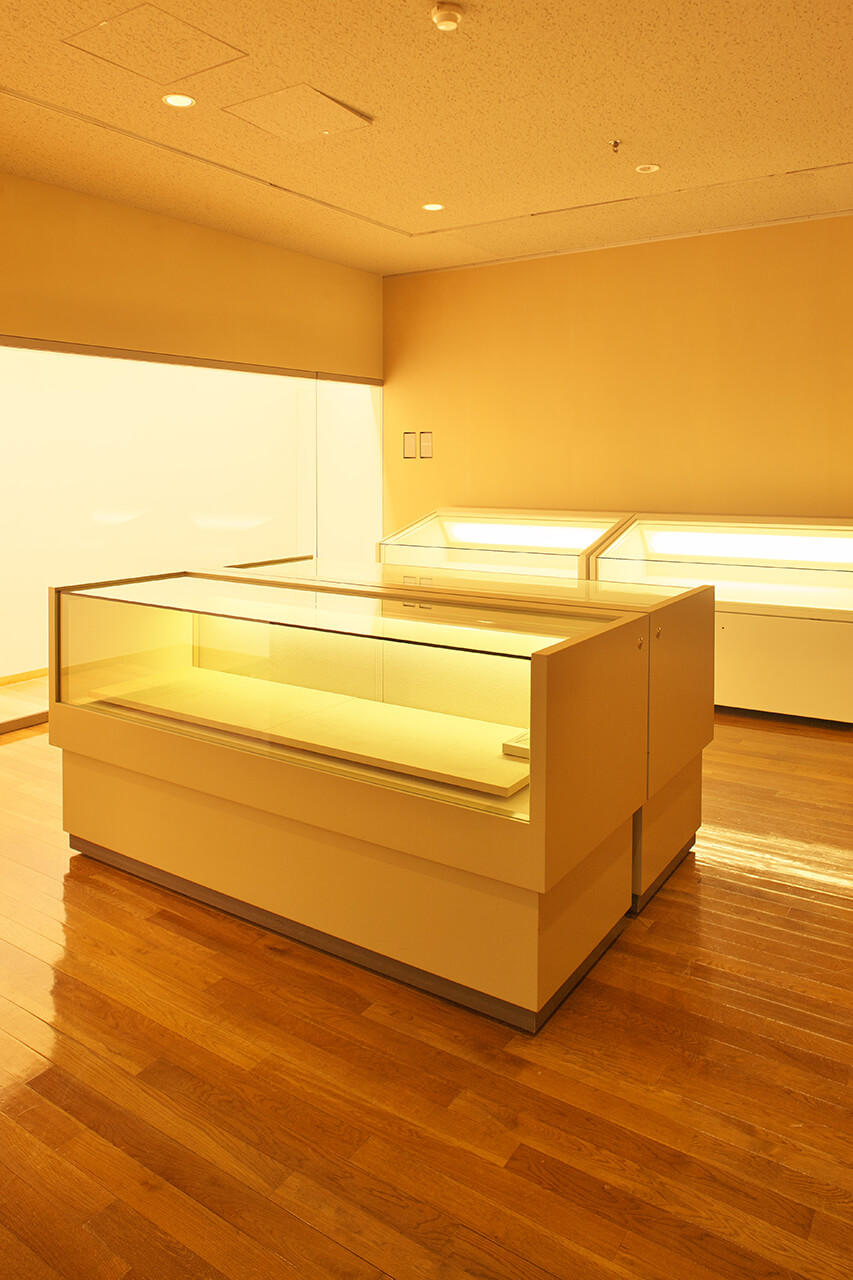
Moriya Memorial Room
This room honors MORIYA Seijiro, Mokichi's nephew, and his wife Fumio, whose dedication helped establish and support the museum.
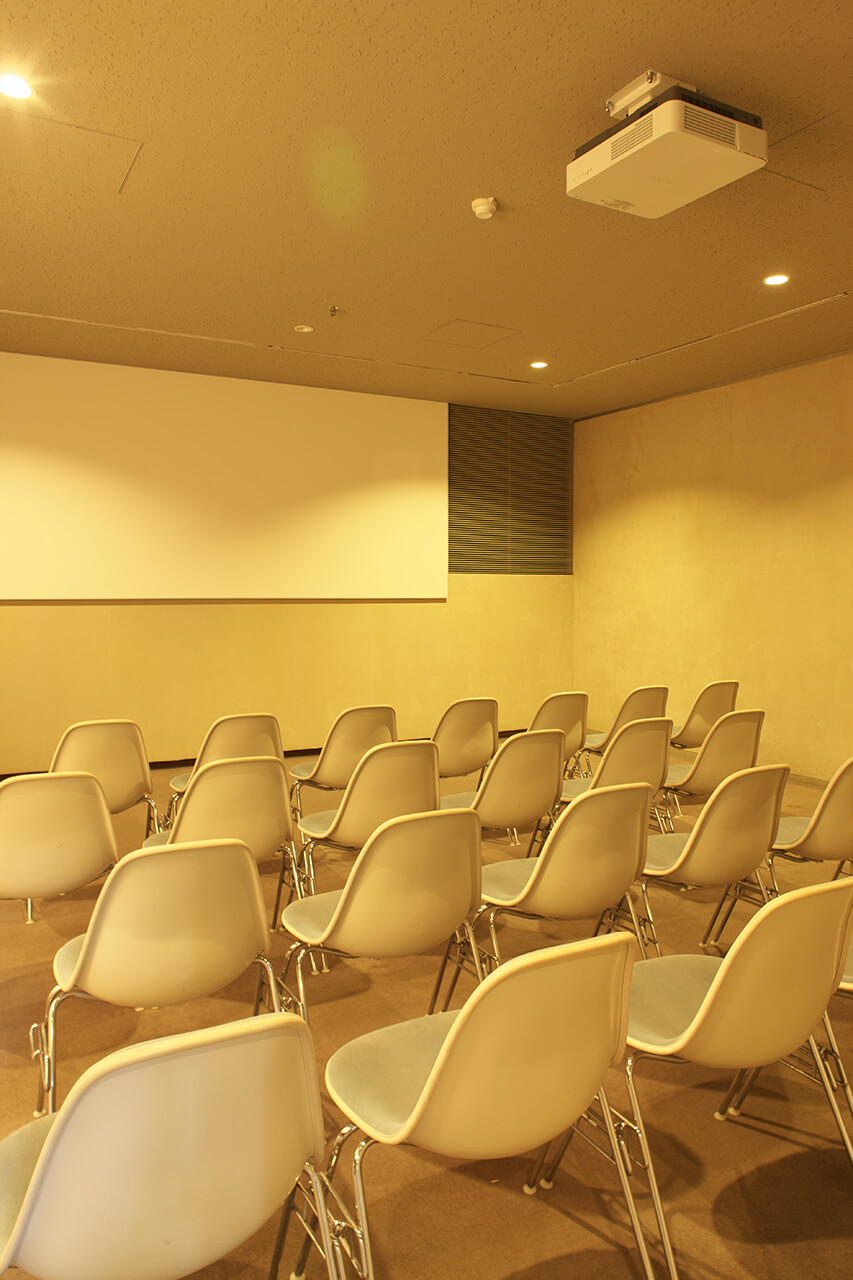
Video Exhibition Room
A scheduled video presentation gives an overview of Mokichi's life and the times in which he lived.
Exhibition Route
Permanent Exhibition Room
-
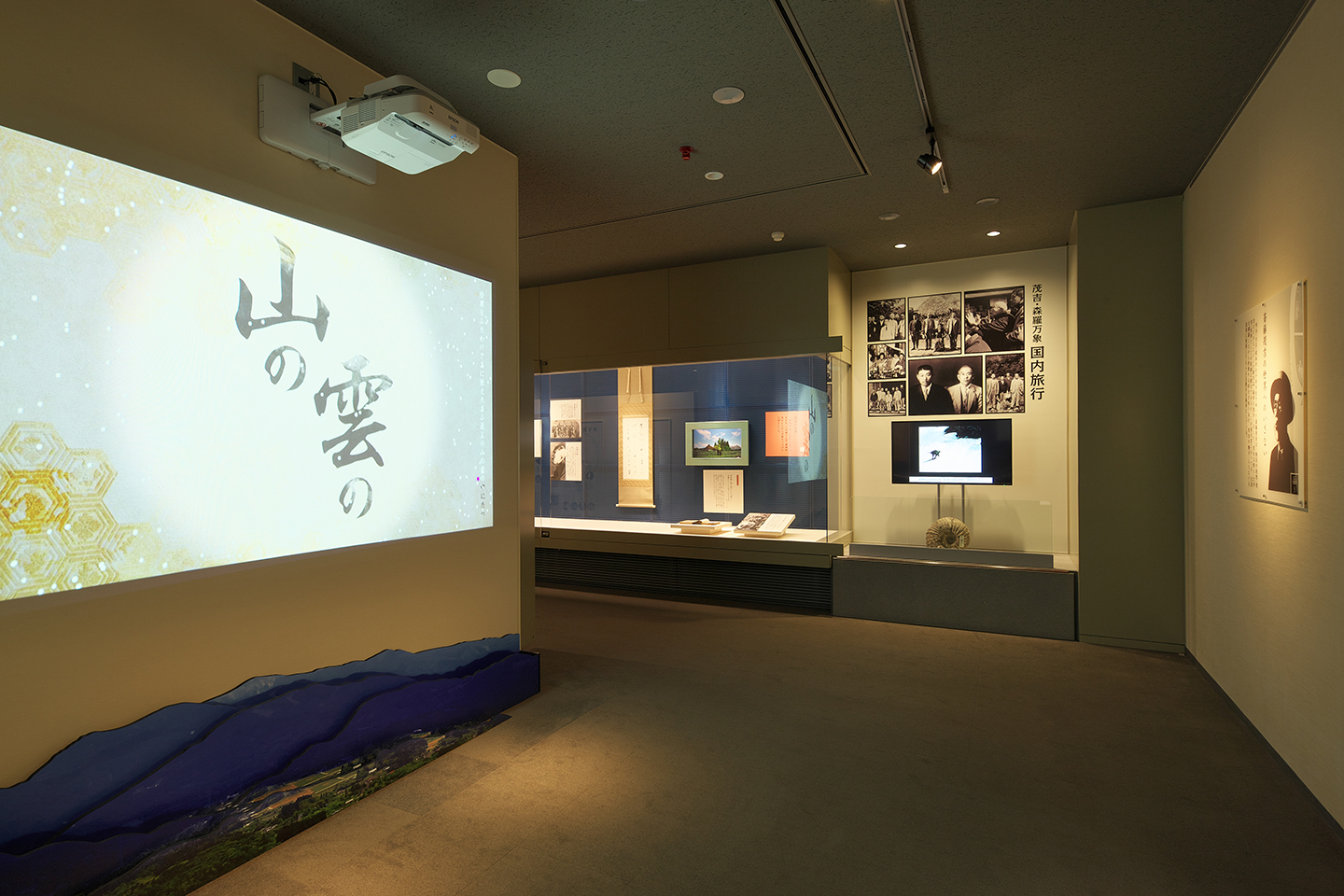
An Invitation to the World of Mokichi
The video will welcome you into the world of Mokichi.
-
Mokichi and Shinra Bansho
The places that Mokichi visited - domestic, overseas, and his hometown - are introduced through photographs and related items.
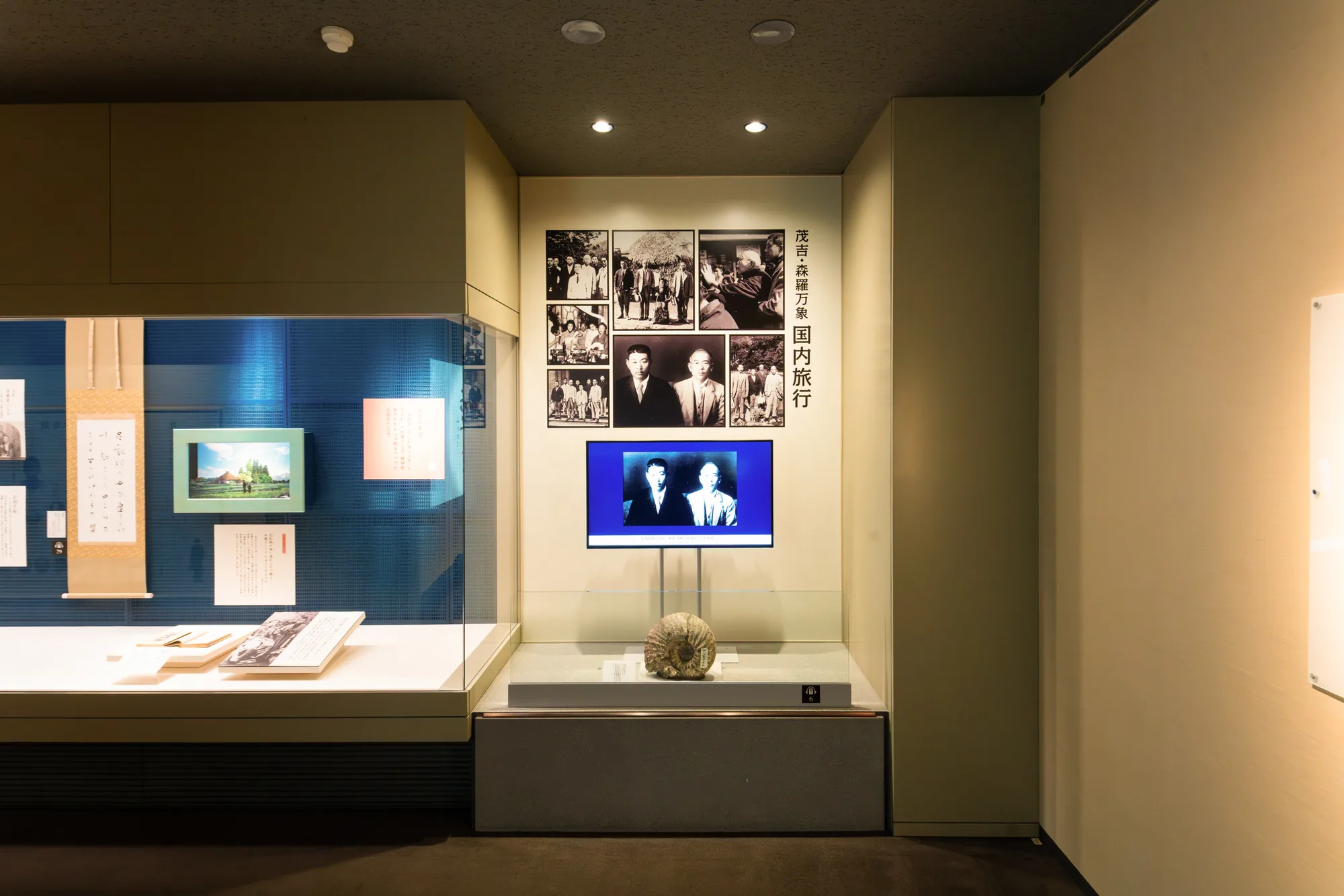
2a Domestic Travel 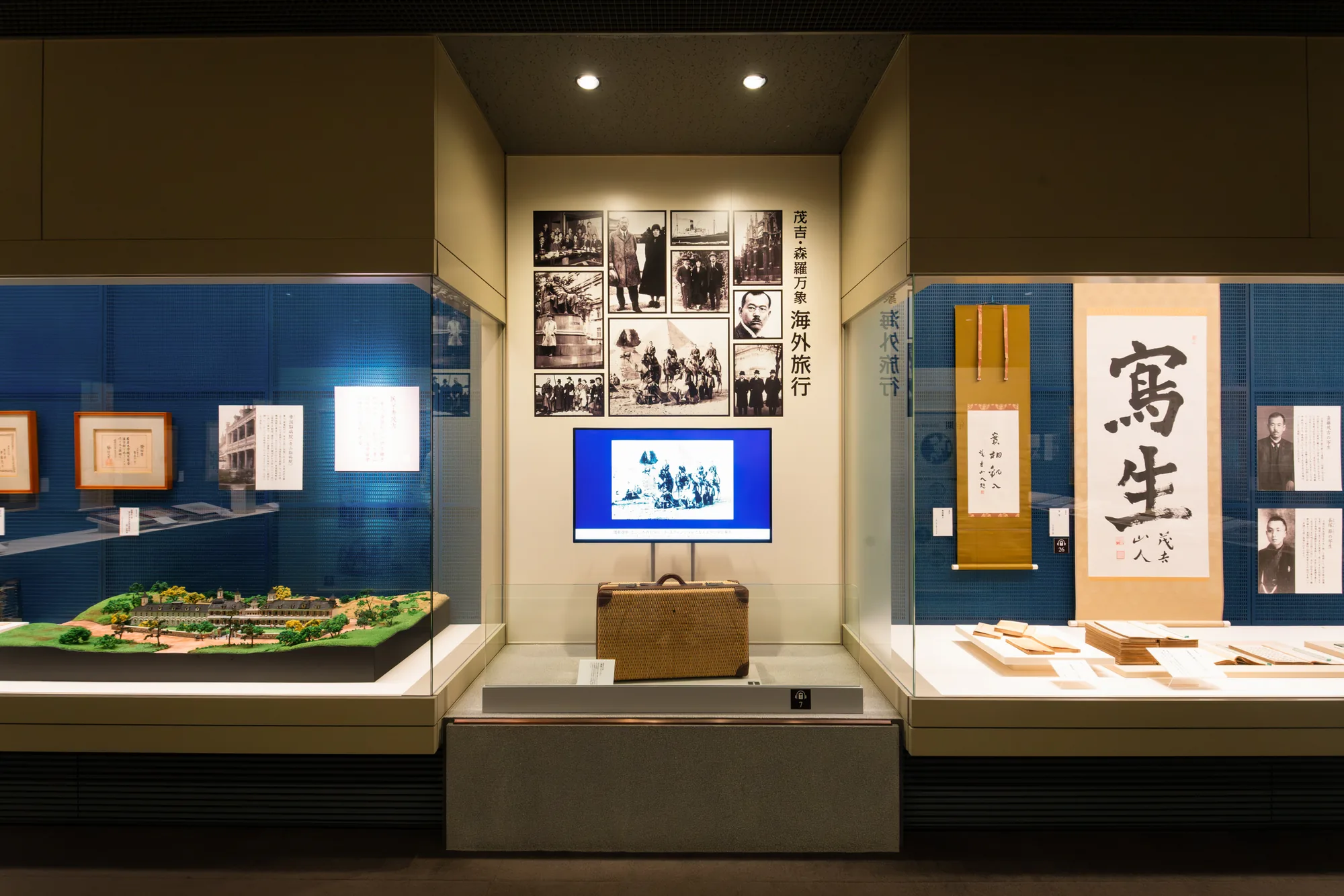
2b Overseas Travel 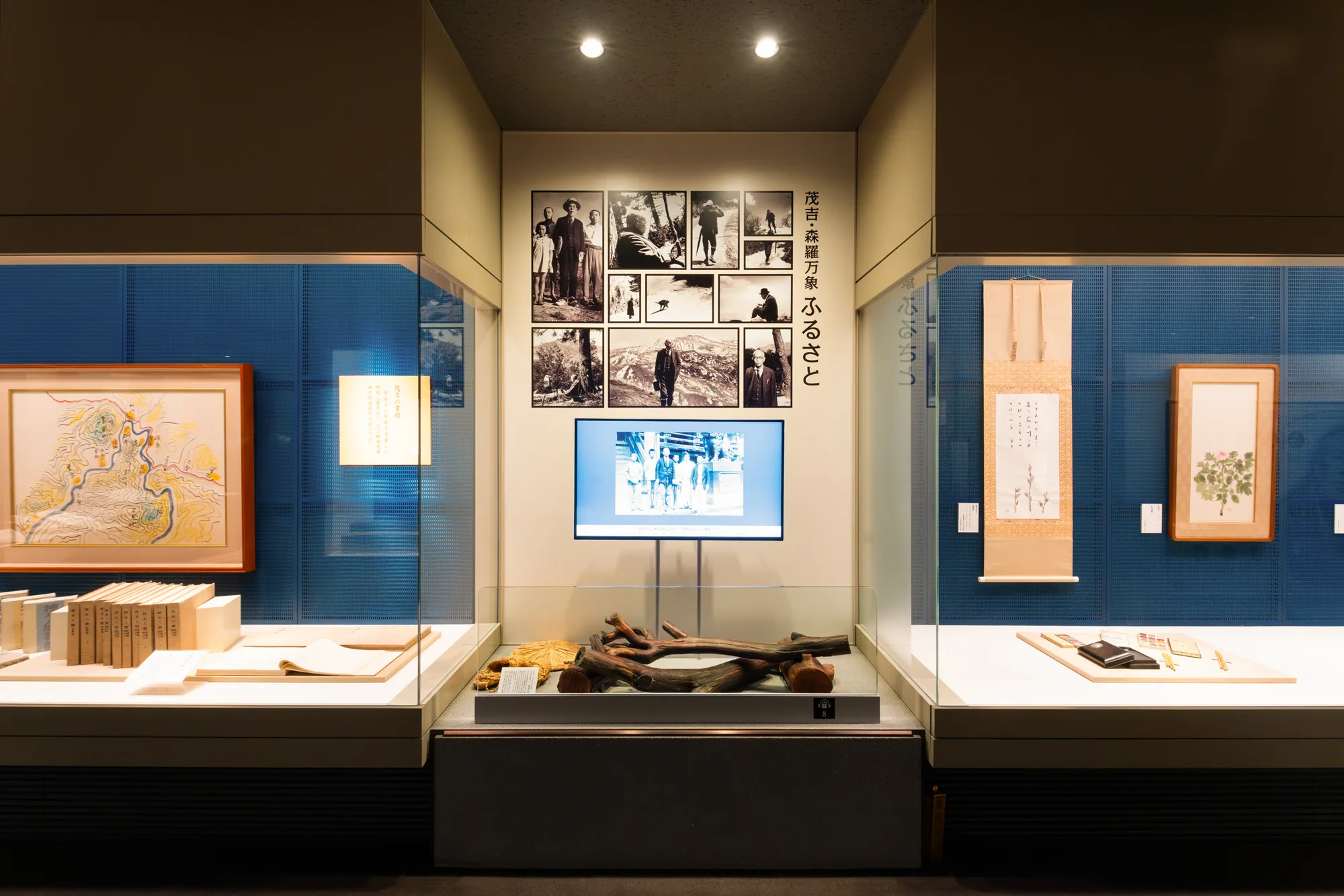
2c Hometown -
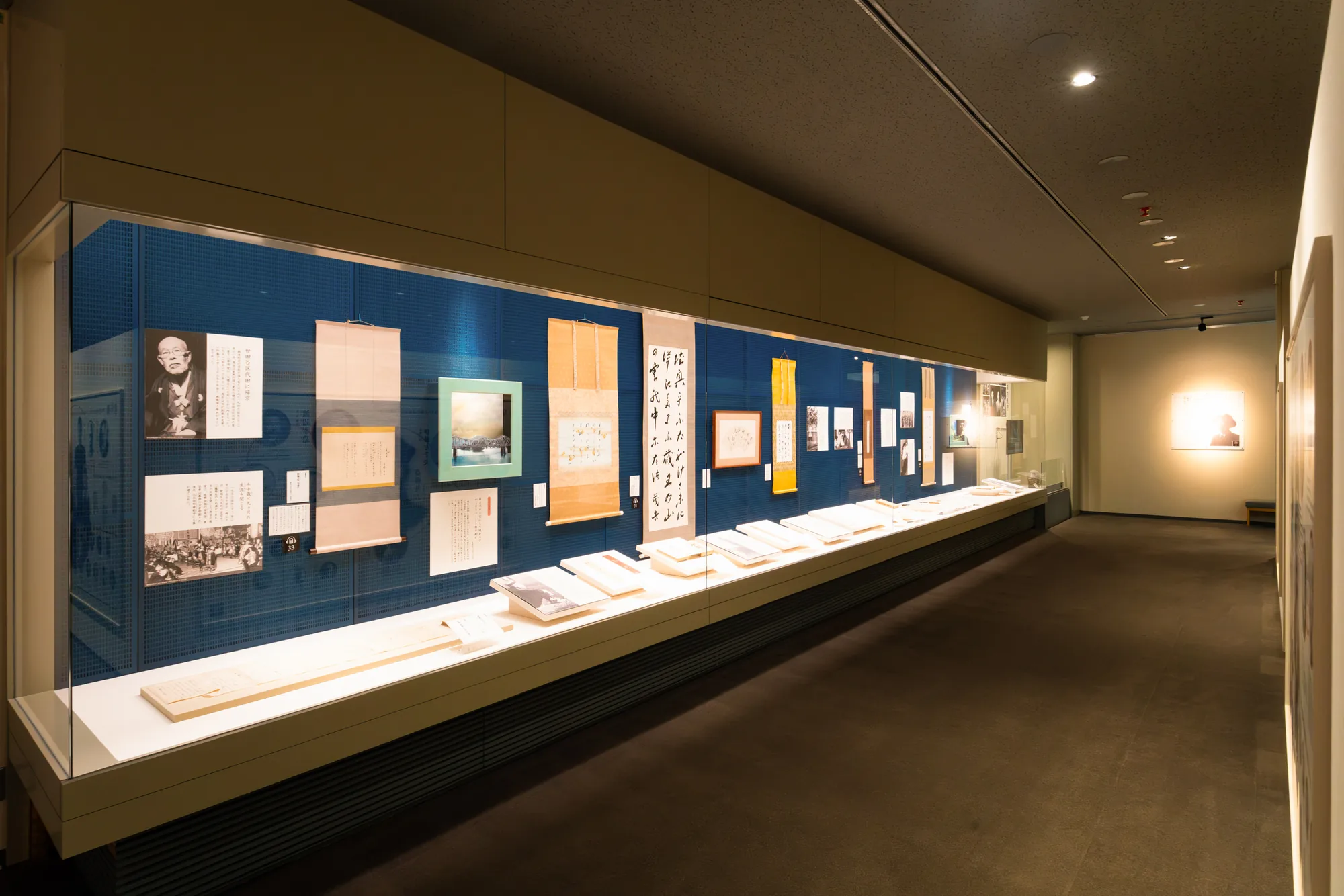
Mokichi's life
Born in Kanakame Village (present-day Kaminoyama City), he moved to Tokyo at the age of 14 and continued to compose tanka while working as a doctor.
-
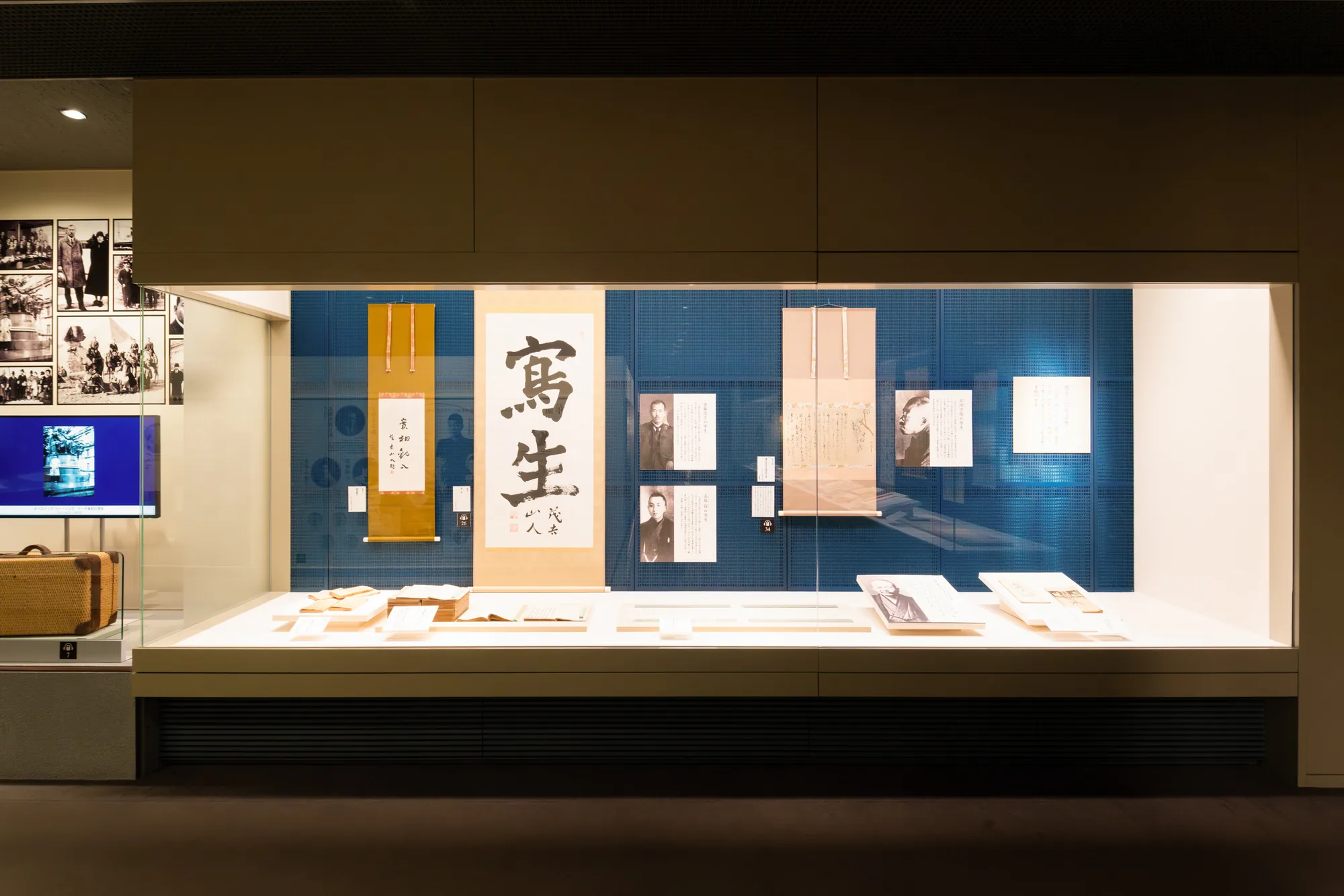
Mokichi's approach to poetry
Introducing Mokichi's approach to tanka writing, which developed from MASAOKA Shiki's theory of shasei ("sketching from life").
-
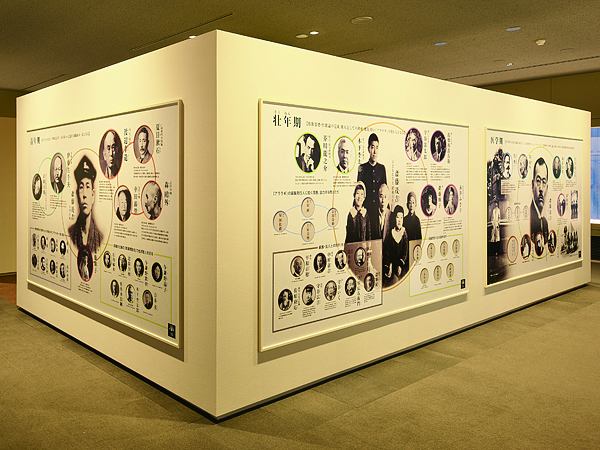
Mokichi's Social Circle
Introducing the people from various fields who influenced Mokichi or were influenced by him during each period of his life.
-
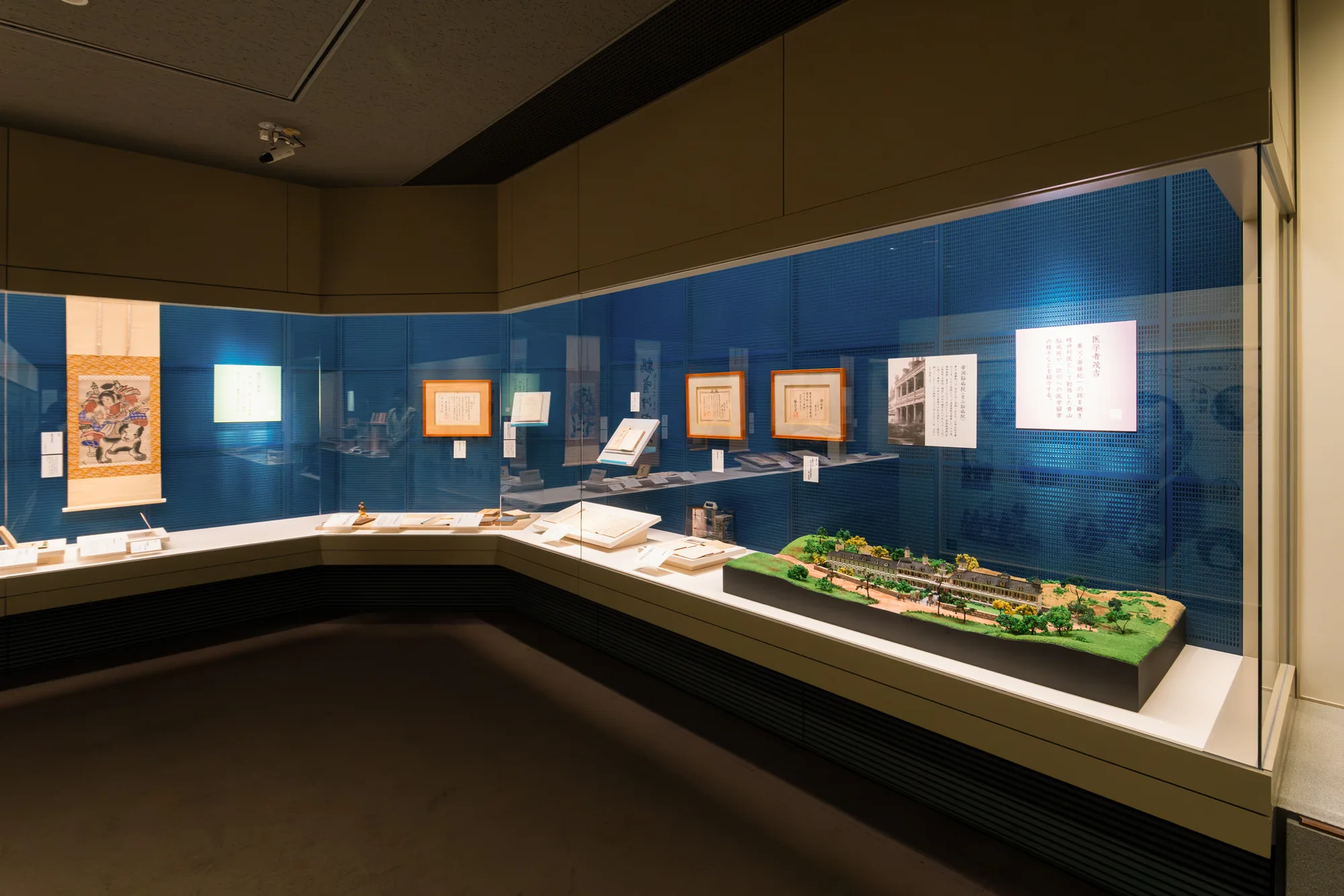
Medical scientist Mokichi
Introducing his achievements as a doctor, including studying abroad in Europe.
-
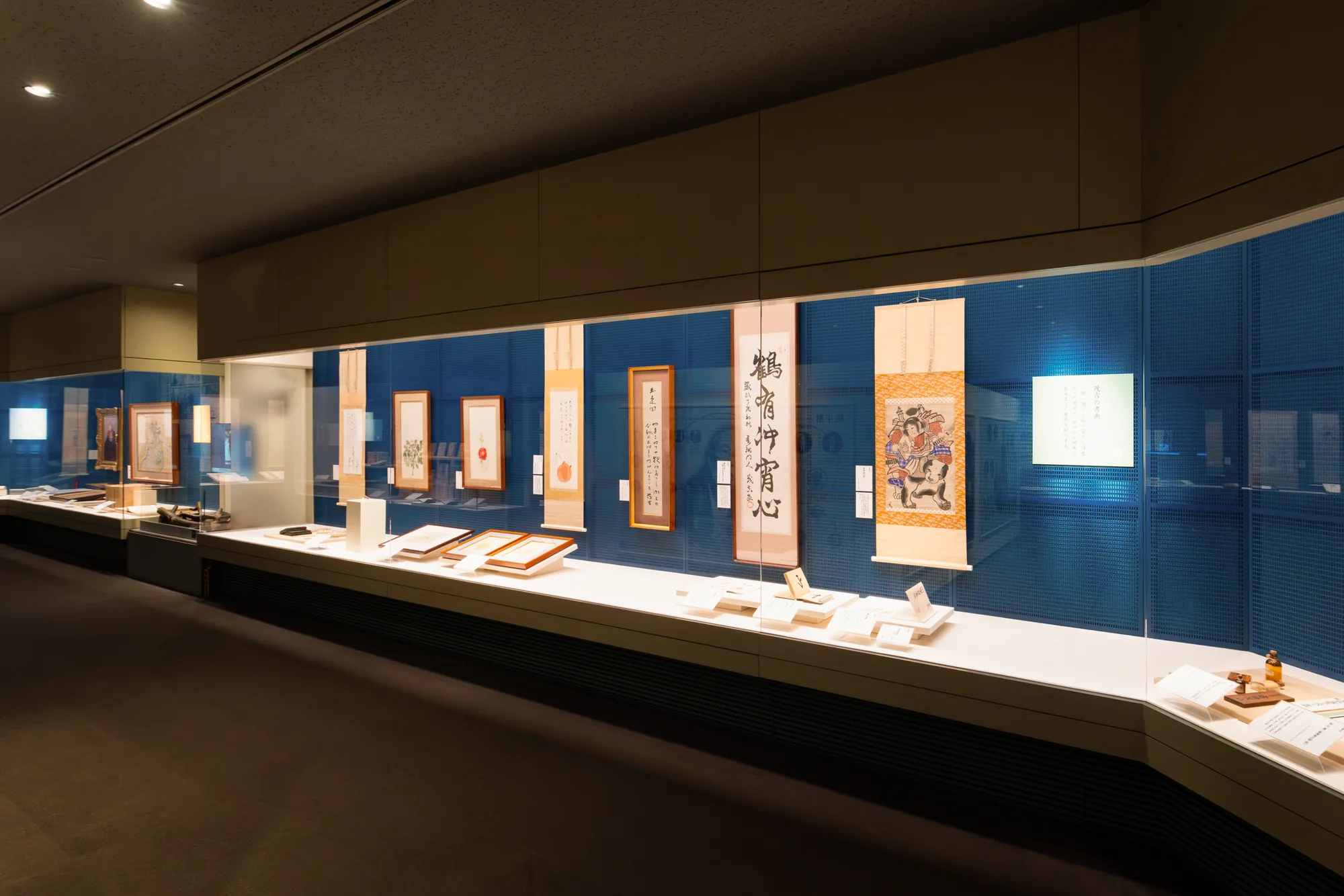
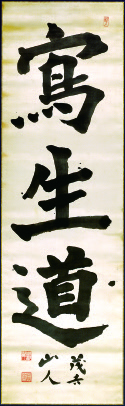
Mokichi's calligraphy and paintings
This exhibition introduces calligraphy and paintings by Mokichi, who was skilled in painting and calligraphy, throughout his life.
-
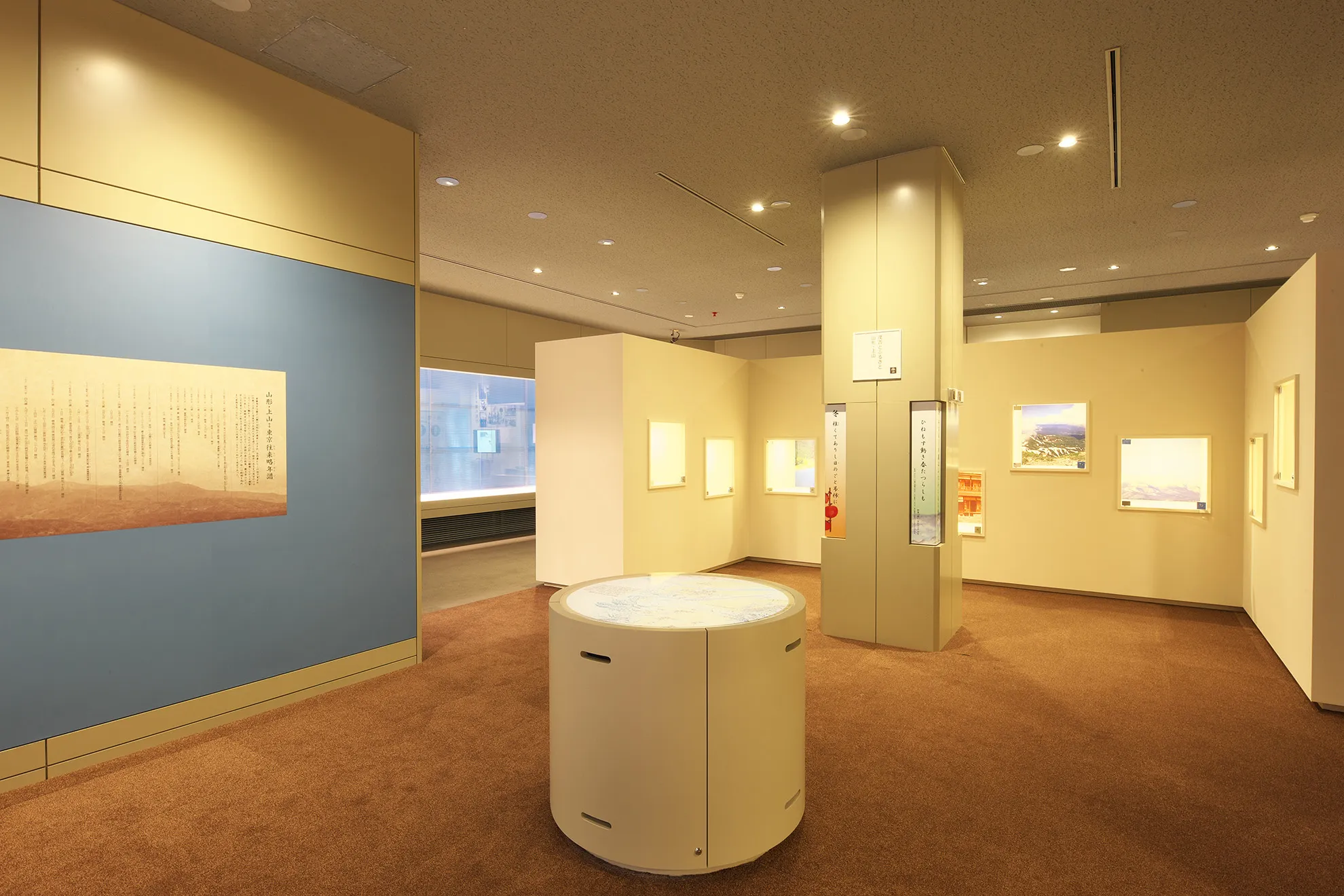
Mokichi and his hometown, Kaminoyama, Yamagata
Introducing the works Mokichi created when he returned to his hometown, along with descriptions of how he spent those visits, reflecting his deep affection for his birthplace.
-
Mokichi's achievements
Presents materials related to the time of receiving the Imperial Academy Prize and the Order of Culture.
-
Mokichi's friendships
Introducing Mokichi's diverse circle of acquaintances, including writers he admired, as well as tanka poets and painters with whom he engaged in through mutual striving.
-
Mokichi's books
Introducing his major works, including tanka collections, selected from his vast number of works.
-
Portrait of Mokichi
"SAITO Mokichi" by YAWATA hakusen
(Deposited by Yamagata Prefecture)
Visitor Information
Museum Guide
- Opening Hours
- 9:00-17:00 (admission until 16:45)
- Closed
- Wednesdays, or the following day when Wednesday is a public holiday; December 28-January 3; and seven days in the second week of July (Sunday-Saturday).
| Category | Individual | Group |
|---|---|---|
| Adults | ¥600 | ¥500 |
| Students* | ¥300 | ¥250 |
| Child** | ¥100 | ¥50 |
* High school and university students
** Elementary and junior high school students
Group rates apply to groups of 10 or more and to visitors with disabilities.
- Audio Guide
- Japanese or English: ¥300
- Accessibility
- Barrier-free access inside and outside the building. Wheelchair rentals and a multipurpose, ostomate-friendly toilet are available.
Public Interest Incorporated Foundation Kanakame, Kaminoyama-shi,
Yamagata 999-3101, Japan TEL +81-23-672-7227
FAX +81-23-672-2626 Japanese Guide : www.mokichi.or.jp